



Urgent Cleanup Underway as Songkhla Battles Flood Aftermath
On November 30, 2025, Mr. Surin Worakittamrong, Director-General of the Pollution Control Department (PCD), announced that the Minister of Natural Resources and Environment (MNRE) has directed all MNRE agencies to urgently support flood-affected communities. The response includes preparing bio-fermented liquid to address foul wastewater once the floodwaters recede, identifying temporary areas to store flood-related waste, and assessing damage to waste management and treatment systems to provide expert guidance for recovery.
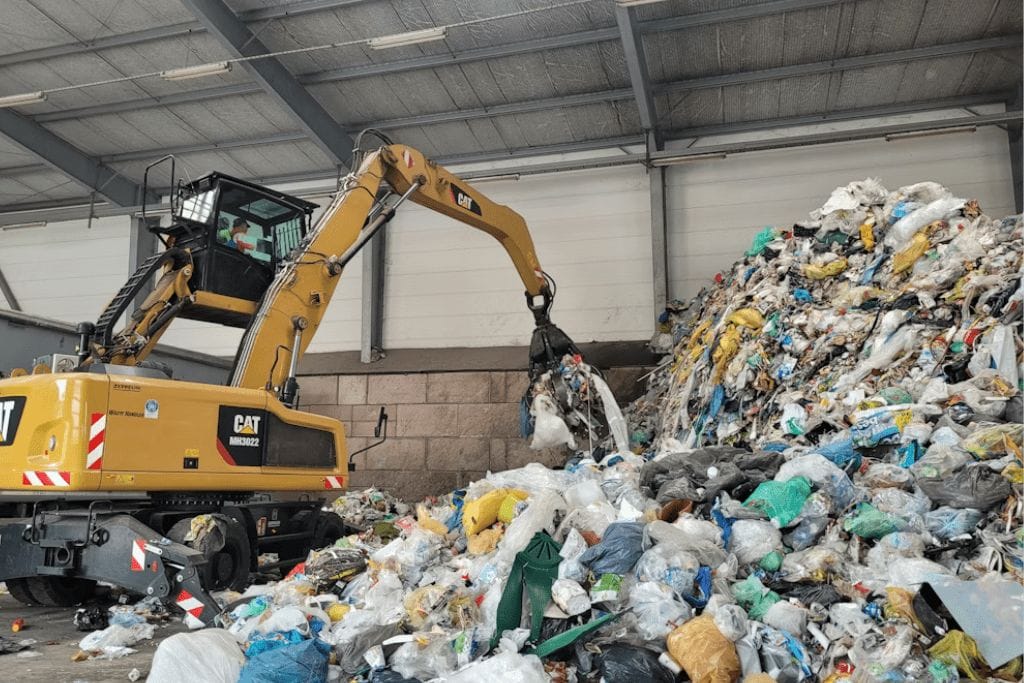
Thank you for reading this post, don't forget to subscribe!Flooding has impacted ten districts in Songkhla—Mueang Songkhla, Bang Klam, Kuan Niang, Khlong Hoi Khong, Na Mom, Hat Yai, Rattaphum, Chana, Ranot, and Singhanakhon—resulting in significant debris from damaged households, such as furniture, appliances, construction materials, and general waste.
An evaluation of four active waste disposal facilities—Songkhla City Municipality, Ban Phru Municipality, Sadao Municipality, and Southern V Purity Co., Ltd.—confirmed they can still accommodate over 25,000 tons of waste. Additionally, 5–10 rai of land has been prepared for temporary storage to support proper sorting and disposal.
The PCD Director-General also stated that the agency will work with provincial and local authorities to set up additional temporary waste collection points near communities, allowing residents to quickly clear debris from their homes. Coordination with the private sector will also help reduce, sort, and repurpose waste, including producing Refuse-derived Fuel (RDF) for a cement plant in Thung Song, Nakhon Si Thammarat, or generating energy at a waste-to-energy plant in Krabi.
Environmental and Pollution Control Offices 14, 15, and 16 are working together to produce molasses-based bio-fermented liquid for distribution to local administrative bodies and agencies supporting flood-hit communities. This solution helps reduce odors caused by prolonged flooding and prevents the degradation of water sources.
A total of 6,940 liters of bio-fermented liquid has been produced, with 4,300 liters already distributed. Agencies in need of the solution may contact the Office of Environmental and Pollution Control 16.